Showing posts with label Leicestershire. Show all posts

Sunday, 27 October 2019

The Many Faces of Palitoy Exhibition


Almost a year ago I posted a blog about my visit to the Star Wars toy exhibition that took place on the former Palitoy site in Coalville, Leicestershire. In this year's exhibition, many of the other toys that Palitoy are also remembered for were being showcased: Action Man, Care Bears, Girl's World and Pippa. 


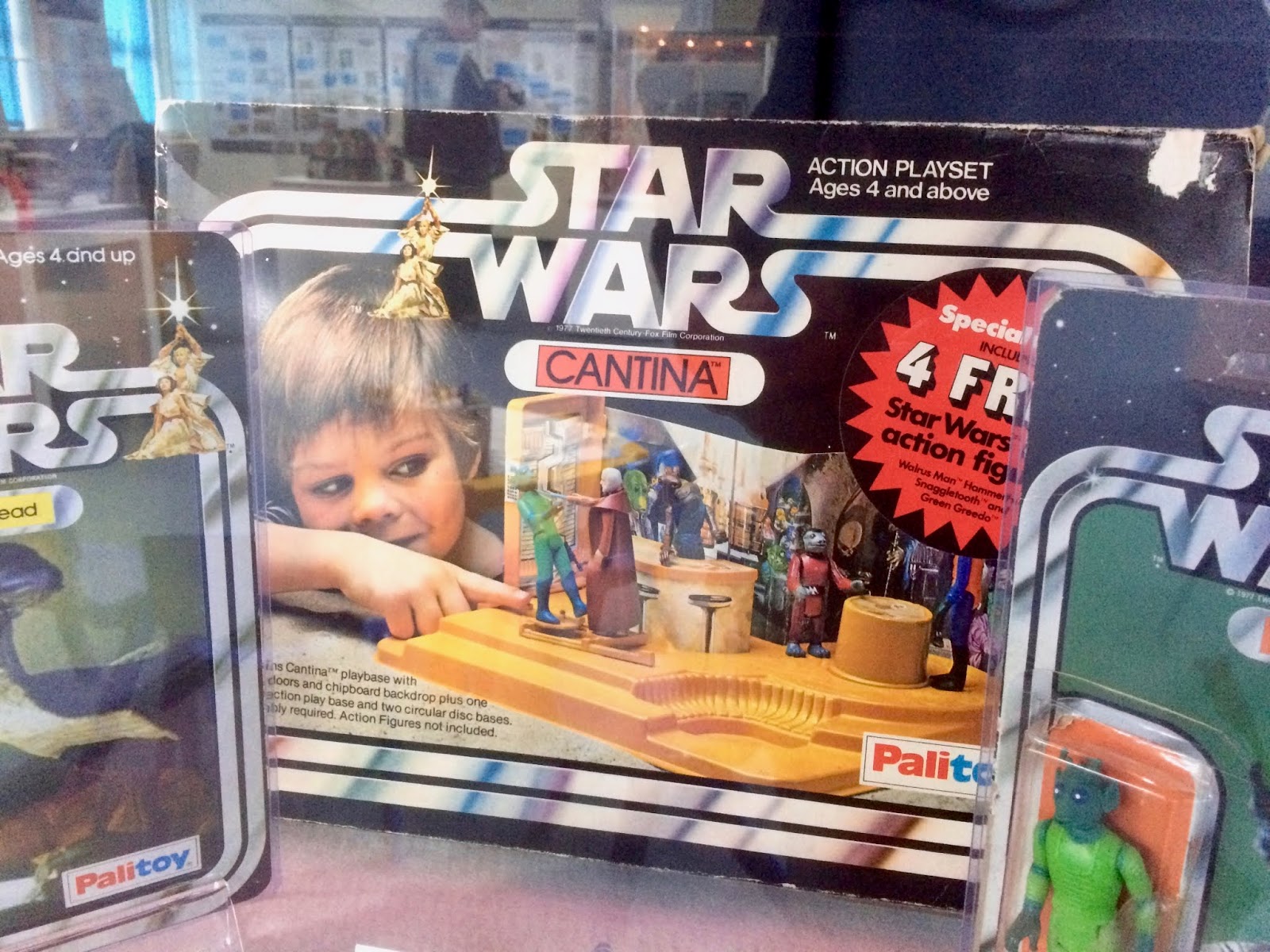
A few Star Wars toys were included too, such as the Death Star play setting and the Imperial Troop Transporter.


I grew up in North West Leicestershire so all of the Palitoy toys were very familiar to me. Most people who lived in or near Coalville knew of somebody who worked at the factory, so Palitoy toys were usually given at Christmas. There was a factory shop in Owen Street - the building still stands today. Like everything you grow up with, I imagined the Palitoy factory would always be there. Then - suddenly it had gone. 


One of the big events every year in Coalville was the Trade Exhibition. I attended a few of these as a kid. You could see what new toys were being introduced each year, as businesses tried to predict what was going to be 'the next big thing'. I recall the Merlin game being on display there.


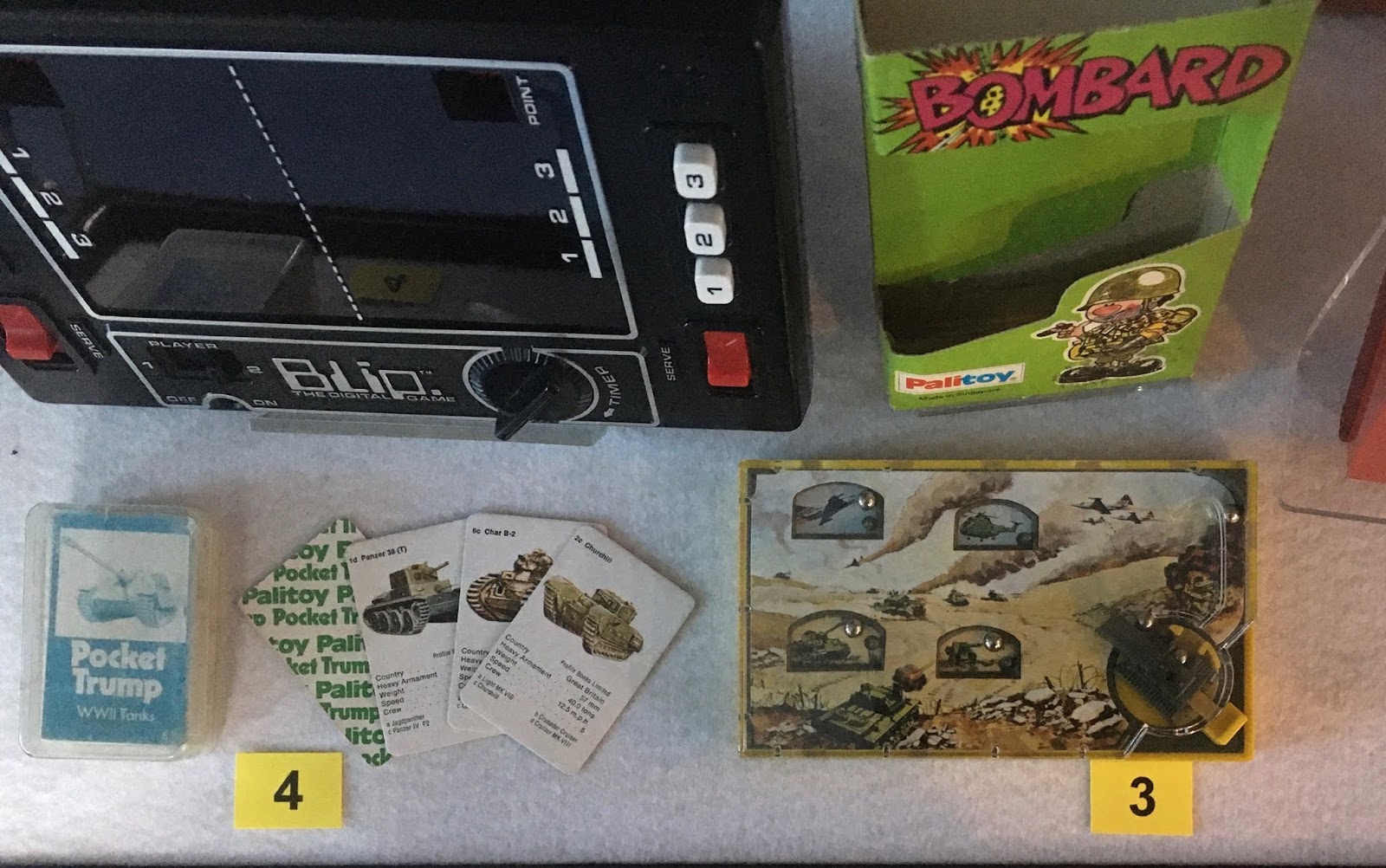


On end-of-term school days when children were allowed to bring their toys in, I remember Strawberry Shortcake, Pippa, and Girl's World being brought in when they were popular.


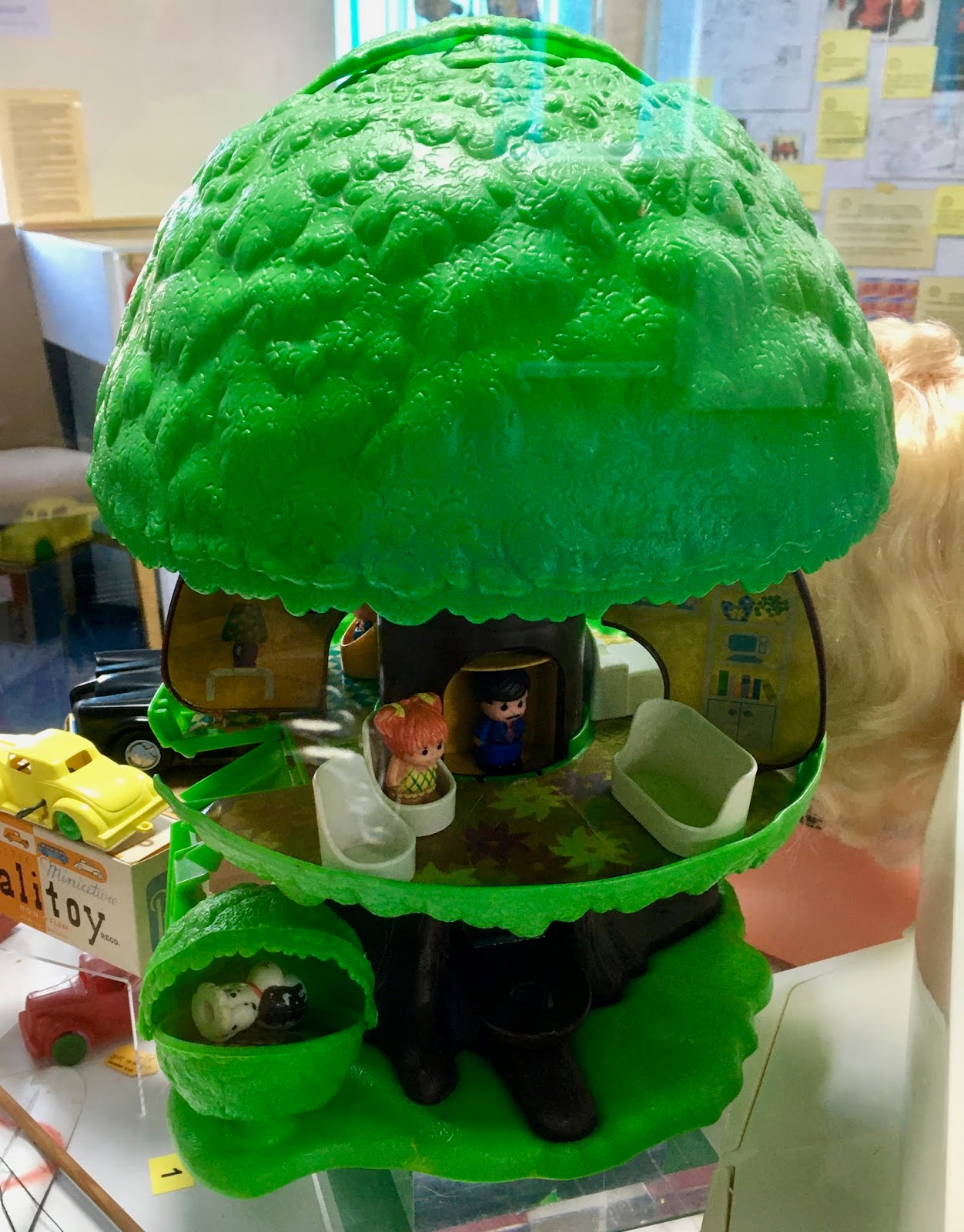
My personal favourites were Action Man, Pocketeers and the Treehouse. I didn't have one of these but coveted one. However, I did have a Treehouse Playground, which was great fun too.


Action Man dressed as a coal miner: In recognition of Coalville's industrial heritage

Pocketeers fishing game


What a great nostalgic exhibition!


Tuesday, 13 November 2018

Star Wars: May The Toys Be With You


I am writing this blog after a visit to ‘May the Toys be With You’, an exhibition of Star Wars toys that was held at a conference centre in Coalville, Leicestershire on the original site of the Palitoy factory where the very toys were manufactured in the late 1970s and early ‘80s.


Incredibly, but perhaps not surprisingly, all the merchandise on show came from the personal collection of one Star Wars fan, Matt Fox. For anyone who was around when the first Star Wars films were released between 1977-83, or who had any of the toys, this exhibition would have been very nostalgic. For those who were local to the Palitoy factory off Jackson Street the sense of nostalgia would have been two-fold.


Palitoy was the home of Action Man, Tiny Tears and Pippa – the latter a diminutive fashion doll, and much cooler than Barbie in my opinion. Children from North West Leicestershire (like myself) lucky enough to have had relatives and family friends who worked at Palitoy were inundated with staff-discounted toys. There was also a factory outlet on Owen Street where you could buy these figures. Incidentally, the Rex Cinema, which was literally a light sabre’s length away from the factory, is where I saw the original Star Wars movies.


Film historian Peter Biskind argues that Star Wars proved young audiences would go to the cinema to see a film without big-name Hollywood stars. And that although merchandising tie-ins with films had already existed for several decades, Star Wars alerted the studios to a larger scale of merchandising through items such as T-shirts and action figures. Good or bad, this gave film studios from then onwards an incentive to replace complex characters with simple figures that could be turned into toys (Biskind, 1998: 341).


According to information given at the exhibition, approximately 300 million action figures of Luke Skywalker et al were sold between 1977 and 1985. Intriguingly, there is a legend that unsold leftover toys were sent to landfill and could be worth a fortune if they were dug up today. If only us kids had kept all our Star Wars figures – preferably still in their blister packs!


My last remaining Star Wars toys


Bibliography:

Biskind, Peter,1998, Easy Riders Raging Bulls, How the Sex ‘n’ Drugs ‘n’ Rock ‘n’ Roll Generation Saved Hollywood, London: Bloomsbury


Monday, 21 August 2017

Two National Trust Houses: Mr Straw's House and Stoneywell Cottage


These two National Trust Houses in the East Midlands are both worth a visit. They invite an interesting contrast!

Mr Straws House was left to the National Trust in 1990 when William, the last member of the Straw family, passed away at the age of 92.


No.7 Blyth Grove in Worksop is a semi-detached house built circa 1905. It is a relatively large house befitting a well-to-do family that made its money from a grocers shop. The Straw family moved into the house in the early 1920s. The house and contents remained largely untouched from 1932 when William senior, the father of the house died suddenly whilst gardening. His wife Florence died seven years later.


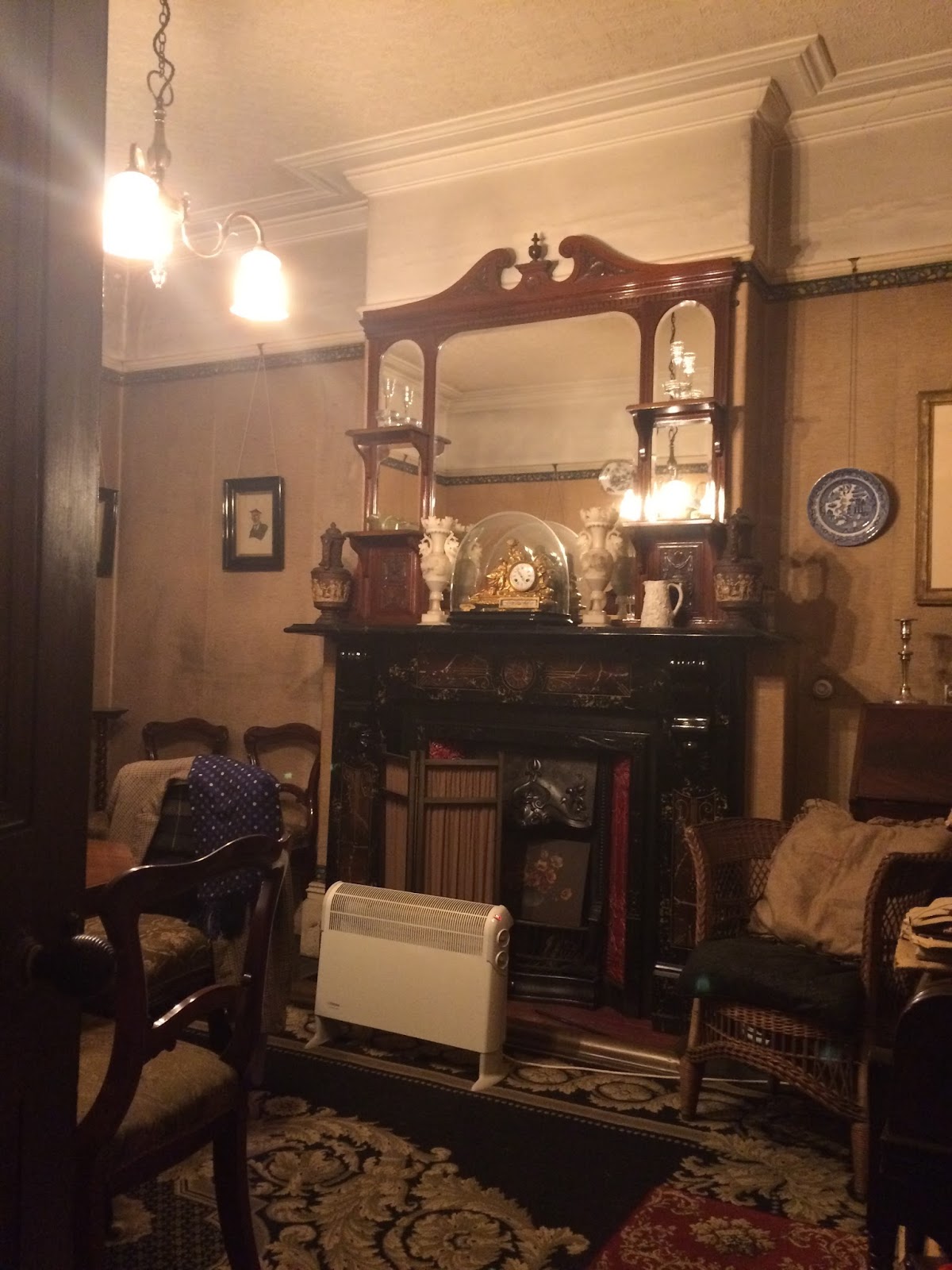
Although fascinating, there is something decidedly stifling about this abode that has been stuck in a timewarp since the 1930s. Even the calendar in the dining room still reads 1932, and William Straw Snr’s pipes and tobacco pouch are still hanging up there.


Everything is decorated in browns, and piles of hoarded letters and papers are stacked around the piano in the drawing room. The parents’ bedroom has layers of clothes preserved between the bedclothes and the bed has been laid over with newspapers to preserve its contents.


*****

An altogether different experience awaits those who visit Stoneywell House in Charnwood, Leicestershire.

Although the road past Stoneywell is very familiar to me, any passer by would be completely unaware that the large stone house is hidden behind a dip in a hill a short walk from the roadside.


Built at the end of the 19th century, Stoneywell is in the Arts and Crafts style, and being constructed of local stone, it is meant to give the impression of growing naturally out of the landscape. It originally had a thatched roof that was destroyed by a fire. However, the local slate helps the appearance of the house to blend in with the surrounding countryside. (Slate from nearby Swithland is characteristic of the Charnwood area). 

One of the quirky delights of this house is that you can exit an upstairs bedroom window and step onto the ground outside without injury, because the house is built on a slope.


the bedroom window


The home belonged to Leicestershire industrialists, the Gimson family, and was designed by architect Ernest Gimson as a summer residence. The interior is light, airy, and uncluttered. It reminded me a lot of Kettle’s Yard in Cambridge with its muted and calming colour palette of natural wood and white walls. One of the rooms even has an Orkney Chair like the one at Kettle’s Yard.


Orkney Chair (to the right) in the sitting room


The grounds are also very beautiful, retaining the natural look of the Charnwood landscape with its granite rocks, ferns, and surrounding woodland.


If you want to visit either house, you will need to book a tour. Stoneywell is approached by a mini bus that carries you from a nearby car park.


Further reading: Mr Straw’s House, 1993 (reprinted 2011), National Trust

Chesters Thompson, Simon, and Groves, Anna, 2015, Stoneywell Cottage, National Trust